Komodo Voluntourism Packing Guide
Packing for a luxury Komodo voluntourism expedition requires a thoughtful approach, balancing adventure readiness with cultural respect and sophisticated comfort. This guide ensures you are perfectly equipped for the unique blend of conservation work, pristine natural exploration, and refined relaxation that defines the Komodo experience.
- Prioritize lightweight, quick-drying fabrics for the tropical climate.
- Include modest attire for cultural immersion and village visits.
- Invest in reef-safe sun protection and durable trekking footwear.
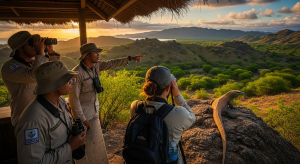
The dawn breaks over the Flores Sea, painting the sky in hues of soft rose and fiery orange as the salty air, warm and humid, brushes your skin. Below, the deck of your private yacht hums with anticipation. Ahead, the rugged, sun-drenched islands of Komodo National Park emerge from the mist, their savanna-clad hills hinting at ancient wonders and biodiversity. This isn’t just a trip; it’s an immersion, a commitment to conservation, and a journey into the heart of Indonesia’s most iconic wilderness. As you prepare to disembark, the question isn’t just what to pack, but how to pack with purpose, ensuring every item enhances your experience with Komodo Voluntourism – from critical fieldwork to serene evenings under a blanket of stars.
The Climate Canvas: Dressing for Komodo’s Tropical Embrace
Komodo’s climate is a symphony of tropical heat and humidity, demanding a wardrobe that prioritizes comfort, breathability, and protection from the elements. The average temperature hovers around 28-32°C (82-90°F) year-round, with the dry season from April to October offering abundant sunshine and minimal rainfall, making it ideal for exploration. Even during the wet season, from November to March, showers are often brief and intermittent, leaving plenty of clear skies. Your clothing strategy should focus on lightweight, quick-drying fabrics that wick away moisture. Think linen, bamboo, and performance synthetics. Long-sleeved shirts and trousers, while seemingly counterintuitive in the heat, offer crucial protection against the intense equatorial sun and occasional insects, particularly during early morning or late afternoon activities. Pack at least 3-4 sets of versatile outfits, allowing for daily changes after adventurous excursions. The UV index here frequently reaches 10-12, demanding constant vigilance. Consider brands like Patagonia or Columbia for their commitment to sustainable materials and technical performance, ensuring you stay cool and protected.
Sun Protection Essentials
Protection from the powerful tropical sun is non-negotiable. Beyond clothing, a wide-brimmed hat (ensure it has a chin strap for windy boat rides) and high-quality sunglasses with UV400 protection are indispensable. For exposed skin, reef-safe sunscreen is paramount. Brands like Supergoop! or Raw Elements offer broad-spectrum SPF 50+ formulas that protect both your skin and the delicate marine ecosystem. Indonesia is home to over 20% of the world’s coral species, and using non-toxic sunscreen helps preserve these vital habitats. Reapply every two hours, especially after swimming. A lightweight rash guard is also an excellent addition for snorkeling or swimming, providing an extra layer of sun defense without needing constant reapplication of lotion. Don’t forget a lip balm with SPF; your lips are just as susceptible to sun damage.
Expedition Ready: Gear for Trekking and Aquatic Adventures
Your Komodo Voluntourism journey will undoubtedly involve a dynamic mix of land and sea activities. From tracking the magnificent Komodo dragons across rugged terrain to diving into the vibrant underwater world, your gear must be up to the task. For land-based excursions, such as the 2-4 kilometer treks on Rinca or Komodo Island, sturdy, closed-toe footwear is essential. The trails can be dusty, rocky, and uneven, making proper ankle support and grip crucial. Lightweight hiking shoes or robust trail runners are preferred over sandals. You’ll be walking through dry savanna grass and potentially near thorny bushes, so protection for your feet and ankles is paramount. Pack at least 2 pairs of moisture-wicking socks to prevent blisters. For aquatic adventures, quick-drying swimwear is a must. Consider 2-3 swimsuits or board shorts, allowing one to dry while you wear another. A dedicated dry bag is invaluable for protecting electronics and valuables during boat transfers and beach landings. The visibility for diving in Komodo National Park can exceed 30 meters, offering underwater photography opportunities.
Footwear for Rugged Trails
Choosing the right footwear is perhaps the most critical packing decision for your Komodo adventure. While the sight of a Komodo dragon is thrilling, the journey to find them often involves navigating challenging landscapes. Opt for breathable hiking shoes with excellent traction, such as those from Merrell or Salomon. These brands offer models that are lightweight enough for travel but provide the necessary stability and protection. Avoid brand-new shoes; break them in before your trip to prevent discomfort. For casual wear on the boat or around your luxury resort, sturdy sandals like Chacos or Tevas are comfortable and water-friendly. Remember, you’ll be on your feet for significant periods, so comfort and support are paramount. The volcanic origins of the islands mean the terrain can be surprisingly varied and demanding, even on shorter trails. A good pair of shoes can truly make or break your trekking experience.
Cultural Nuances & Evening Elegance: Respectful and Refined Attire
Komodo Voluntourism is not just about wildlife; it’s about engaging with the rich cultural of the local communities. When visiting villages or religious sites, demonstrating cultural sensitivity through your attire is a sign of respect. Pack lightweight, modest clothing that covers shoulders and knees – think loose-fitting trousers, maxi skirts, or sarongs for women, and collared shirts or t-shirts for men. A sarong is a wonderfully versatile item; it can serve as a beach cover-up, a modesty wrap, or even an impromptu picnic blanket. The population of Flores, the main island near Komodo, is approximately 2 million people, predominantly Catholic, with a strong sense of community and tradition. For evenings, whether dining on your yacht or at a luxury resort in Labuan Bajo, smart casual attire is appropriate. Lightweight linen shirts, tailored shorts or trousers, and elegant sundresses will ensure you feel comfortable and stylish. Leave the formal wear at home; understated elegance is the key. Brands like Orlebar Brown for men or Lululemon for women offer pieces that transition seamlessly from day activities to evening relaxation, embodying luxury without fuss.
Village Visits & Sacred Spaces
When you step ashore to interact with local communities, your appearance speaks volumes. Modest dress is not just a suggestion; it’s a profound gesture of respect. For women, this means avoiding overly revealing tops, short shorts, or mini-skirts. Lightweight blouses with sleeves and long skirts or trousers are ideal. Men should opt for collared shirts or t-shirts and long shorts or trousers. A sarong can be easily slipped over swimwear or shorts before entering a village. Remember to remove your shoes before entering homes or certain sacred spaces, a common custom throughout Indonesia. This small act of deference signifies your understanding and appreciation of local traditions. Your engagement with these communities is a vital part of the Komodo Voluntourism mission, fostering mutual understanding and support for conservation efforts. Embrace the opportunity to learn and connect, knowing your respectful presentation enhances the exchange.
Health & Wellness: Safeguarding Your Luxury Journey
Even in a luxury setting, proactive health and wellness planning are crucial for an uninterrupted and enjoyable Komodo voluntourism experience. A well-stocked personal medical kit is indispensable. Include essentials like pain relievers, anti-diarrhea medication, motion sickness remedies (for boat travel across the often-choppy Flores Sea), antiseptic wipes, bandages, and any personal prescription medications, ensuring you have enough for the entire duration of your trip, plus a few extra days. Insect repellent, preferably with DEET or picaridin, is vital, especially during dawn and dusk, to guard against mosquito bites. While malaria risk in Komodo is generally low, dengue fever is present. Hydration is key in the tropical heat; bring a reusable water bottle and ensure it’s refilled with purified water regularly. Many luxury yachts and resorts provide excellent filtered water. For peace of mind, consider travel insurance that covers medical emergencies and evacuation. The nearest major hospital is in Labuan Bajo, but complex medical issues may require transfer to Bali or Jakarta, a flight of approximately 2 hours from Labuan Bajo. Maintain your well-being, and every moment of your adventure will be more vibrant.
Personal Pharmacy & Prevention
Beyond the basics, think about what specific items might enhance your comfort. Electrolyte tablets or powders can be lifesavers in the heat, preventing dehydration and fatigue. Anti-itch cream for insect bites, aloe vera for sunburn relief, and a small bottle of hand sanitizer are also highly recommended. If you wear contact lenses, pack extra pairs and solution. For those prone to ear infections from swimming, ear drops can be a good preventative measure. Remember that while your luxury accommodations will provide many amenities, having your preferred brands and specific needs met within your personal kit offers an sense of security. The peace of mind that comes from being prepared allows you to fully immerse yourself in the conservation work and breathtaking beauty of the Komodo archipelago, knowing you’ve taken every step to safeguard your health and enjoyment.
Technology & Photography: Capturing Unforgettable Moments
The Komodo National Park, a UNESCO World Heritage Site since 1991, offers photographic opportunities, from the iconic dragons to vibrant coral reefs and dramatic landscapes. For capturing these memories, a versatile camera setup is highly recommended. A mirrorless camera or a high-quality DSLR with a waterproof housing for underwater shots will serve you well. Don’t forget extra batteries and memory cards; you’ll find inspiration at every turn. For casual shots and quick captures, a high-end smartphone with a waterproof case is sufficient. A portable power bank is essential for keeping all your devices charged, especially during long days away from charging points on land excursions. Indonesia uses Type C and F electrical outlets, so an international travel adapter is a must-have. Consider bringing a lightweight tripod for stable landscape shots or astrophotography under the clear equatorial night sky. For those venturing into the underwater realm, a GoPro or similar action camera, paired with a red filter for color correction at depth, will capture the stunning marine biodiversity, including manta rays and an incredible array of fish species. Ensure all your valuable electronics are stored in waterproof and shockproof bags when not in use.
Documenting the Dragon’s Realm
Photographing the Komodo dragons requires both patience and appropriate equipment. A telephoto lens (e.g., 70-200mm) is ideal for capturing detailed shots from a safe distance, as park rangers enforce strict safety protocols, maintaining a minimum distance of 5-10 meters from the dragons. Remember, these are wild, powerful predators, some reaching up to 3 meters in length and weighing over 70 kilograms. For wide-angle shots of the landscapes, a 16-35mm lens is perfect for capturing the sweeping vistas of Padar Island or the Pink Beach. Consider a drone for breathtaking aerial perspectives of the islands and your yacht, but be aware of local regulations and always seek permission where required. Protecting your gear from dust, sand, and saltwater spray is paramount. Pelican cases or similar rugged, waterproof containers offer excellent protection for sensitive equipment. The unique light and dramatic scenery of Komodo will inspire you, so be ready to capture every moment, from the smallest gecko to the magnificent Komodo dragon, ensuring your memories last a lifetime.
The Unseen Essentials: Documents, Cash, and Mindful Packing
Beyond clothing and gear, several unseen essentials are critical for a seamless Komodo voluntourism experience. Your passport, with at least six months of validity remaining from your date of entry, and any necessary visas are paramount. Keep digital copies of all important documents (passport, flight tickets, insurance details) stored securely in the cloud and on your phone, in addition to physical photocopies separate from the originals. While luxury resorts and yachts accept credit cards, local markets and smaller establishments may require Indonesian Rupiah (IDR). Have a reasonable amount of local currency on hand for small purchases, tips, or emergencies. ATMs are available in Labuan Bajo, but can be scarce once you your island journey. The official currency exchange rate fluctuates, but often hovers around 1 USD = 15,000-16,000 IDR. Furthermore, embrace mindful packing. Consider the environmental impact of your choices. Opt for reusable items over single-use plastics, and choose brands committed to sustainability. Every piece of plastic brought into Komodo National Park, a protected area, puts additional strain on its delicate ecosystem. Your choices contribute to the preservation efforts. Remember to pack any personal medications in your carry-on luggage, ensuring they are accessible and secure.
Mindful Travel & Sustainability
As a participant in Komodo Voluntourism, your commitment extends beyond the direct conservation activities. It encompasses every aspect of your journey, including how you pack and consume. Avoid bringing unnecessary packaging, and opt for solid toiletries like shampoo bars to reduce plastic waste. Reusable bags for shopping and a reusable coffee cup can further minimize your footprint. Learn a few basic Indonesian phrases – “Terima kasih” (thank you) goes a long way in fostering positive interactions. Understand that Komodo National Park is home to over 1,000 species of fish, 260 species of coral, and 14 species of marine mammals, making its preservation efforts incredibly important. By packing mindfully and traveling responsibly, you actively contribute to the longevity and pristine beauty of this incredible destination, ensuring future generations can also experience its magic. Your luxury journey can also be a beacon of sustainable tourism, inspiring others to travel with greater awareness and respect for the planet.
As your Komodo voluntourism journey concludes, and the silhouette of the islands fades into the horizon, you’ll carry with you not just memories, but a profound connection to this extraordinary corner of the world. Every item in your meticulously curated luggage, from the reef-safe sunscreen to the sturdy trekking shoes, played a role in facilitating this immersive experience. You arrived prepared, you engaged meaningfully, and you left a positive imprint. Now, allow the spirit of Komodo to linger, inspiring your next conscious adventure. Plan your return, or explore other transformative journeys with Condé Nast Traveler, knowing you’re equipped for the world, both seen and unseen. The call of the wild, tempered by the comfort of luxury and the purpose of conservation, awaits your next discerning step.
Related reading
- Our Methodology — How We Evaluate Komodo voluntourism conservation marine turtle dragon reef restoration community education English teaching
- Komodo Volun Tourism — Komodo Voluntourism — Komodo Voluntourism
- Group, incentive and chartered voyages in Eastern Indonesia
- Komodo liveaboard prices, inclusions and hidden costs