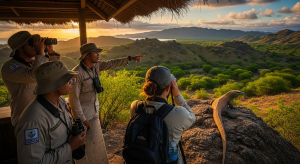
Best Time for Komodo Voluntourism
Komodo Voluntourism offers an opportunity to engage directly with conservation efforts within the Komodo National Park, a UNESCO World Heritage site, while experiencing the region’s luxurious offerings. This unique blend of meaningful contribution and high-end travel allows participants to support crucial scientific research, community development, and ecological preservation initiatives, all set against the backdrop of Indonesia’s breathtaking Lesser Sunda Islands.
- Ethical Engagement: Directly contribute to conservation and local communities.
- Luxury Immersion: Experience bespoke travel with a purpose.
- Unique Access: Gain insights into Komodo’s biodiversity from expert guides.
The morning sun, a golden orb, crests over the ancient volcanic peaks of Komodo, casting long shadows across the turquoise expanse. A gentle breeze carries the scent of salt and frangipani as your luxury phinisi glides effortlessly towards a secluded cove. Below the surface, a vibrant of coral awaits, while on land, the legendary Komodo dragons stir. This isn’t just a journey; it’s a commitment, a conscious choice to blend opulent exploration with profound impact. Deciphering the optimal moment to your Komodo voluntourism adventure is paramount to maximizing both your contribution and your personal experience, aligning with the rhythms of nature and the ebb and flow of the archipelago.
The Dry Season Zenith: June to August
As the Southern Hemisphere winter settles, Komodo National Park enters its most celebrated period: the dry season. From June through August, the skies over Flores are a brilliant, cloudless azure, offering uninterrupted sunshine that bathes the islands in a golden glow. Temperatures during these months consistently hover between 28°C and 32°C, providing perfect conditions for both land-based expeditions and extensive marine exploration. Rainfall is negligible, often less than 10mm per month, ensuring trails are dry and accessible for trekking to panoramic viewpoints or encountering the formidable Komodo dragons in their natural habitat. This period also marks peak visibility for diving, frequently exceeding 25-30 meters in renowned sites like Batu Bolong or Castle Rock, where vibrant coral gardens and schooling fish create an underwater spectacle.
However, this ideal weather comes with increased popularity. The dry season is peak tourist season, meaning you’ll encounter more fellow travelers, particularly at iconic spots like Pink Beach and Padar Island. Luxury yacht charters and premium resorts in Labuan Bajo often see full bookings 6 to 9 months in advance, and prices for high-end experiences can be 15-20% higher than during shoulder seasons. For those seeking a truly exclusive Komodo voluntourism experience, booking well in advance—sometimes up to a year—is essential to secure your preferred vessel and expert guides. Despite the crowds, the sheer clarity of the water and the consistent sunshine make this an undeniably spectacular time, especially for those prioritizing flawless weather and predictable conditions for their conservation work and leisure activities.
Optimal Dragon Encounters & Trekking
During these dry months, the Komodo dragons (Varanus komodoensis) are particularly active, often seen basking in the sun or hunting near water sources. Trekking paths on Rinca and Komodo islands are firm and easy to navigate, making guided ranger walks a comfortable and rewarding experience. The absence of rain also means fewer mosquitoes, enhancing comfort during evening excursions or time spent on deck. For photography enthusiasts, the consistent bright light provides ideal conditions for capturing the dramatic landscapes and unique wildlife. Participating in habitat monitoring or research support during this period benefits from the stable environmental conditions, allowing for more consistent data collection. The average daily sunshine hours typically exceed 9, ensuring ample daylight for all scheduled activities.
Shoulder Seasons: April to May & September to October
The shoulder seasons present a compelling balance for the discerning Komodo voluntourist, offering a sweet spot between ideal conditions and reduced crowds. From April to May, as the wet season recedes, the islands transform into a lush, emerald paradise. The air still holds a freshness from recent rains, but sunshine hours increase dramatically, averaging 7-8 hours daily. Temperatures remain warm, ranging from 27°C to 31°C, and the occasional brief shower often brings a refreshing respite rather than disruption. Marine visibility begins to improve significantly, reaching 20-25 meters, and the underwater world bursts with renewed vitality after the wet season. This period is particularly excellent for observing juvenile marine life.
Similarly, September and October offer a transition from the peak dry season towards the approaching rains. The crowds begin to thin, yet the weather largely remains cooperative with warm temperatures and minimal rainfall, generally less than 30mm per month. This timing can yield better value for luxury accommodations and liveaboard charters, with potential savings of 10-15% compared to peak season rates, while still enjoying superb conditions. For those engaged in marine conservation projects, such as coral reef restoration or marine debris clean-ups, the reduced boat traffic can make for a more focused and impactful experience. The chances of encountering specific pelagic species, like manta rays, also begin to climb in these transitional months, with sightings becoming more frequent towards October.
Manta Ray Season Commences
While manta rays can be spotted year-round, the shoulder months, particularly from September onwards, mark the beginning of their more consistent presence around Komodo’s cleaning stations and feeding grounds. Specific dive sites like Manta Point become highly active, offering incredible opportunities to observe these majestic creatures, often in groups of 5-10 individuals. The water temperature hovers around 26-28°C, making for comfortable extended dives. For Komodo voluntourism initiatives focused on marine biodiversity surveys or photo identification of manta rays, these months provide an exceptional window for data collection without the intense pressure of peak season crowds. This allows for more intimate and prolonged encounters, vital for accurate research and conservation efforts.
The Wet Season: November to March
The wet season, spanning from November to March, is often overlooked by conventional tourists, yet it holds a unique allure for the adventurous and dedicated Komodo voluntourist. While characterized by higher rainfall, typically averaging 150-250mm per month, this period transforms the arid landscapes into vibrant, verdant hills. The occasional heavy downpour, usually brief and localized, lends a dramatic backdrop to the islands, and the air feels clean and refreshed. Temperatures remain consistently warm, between 26°C and 30°C. Critically, the wet season brings fewer visitors, meaning a profound sense of solitude and exclusivity for luxury travelers. Prices for high-end charters and resorts can drop by 20-30%, offering exceptional value for an otherwise premium experience.
Despite the rain, the marine environment remains spectacular. While surface visibility might occasionally be reduced by runoff near shore, deeper dive sites maintain excellent clarity, often exceeding 15-20 meters. This period is renowned for its incredible plankton blooms, which, while reducing visibility slightly, attract an astonishing array of marine life, particularly filter feeders. Whale sharks, though not guaranteed, are more frequently sighted during these months further north of the park, adding an element of rare excitement. For Komodo voluntourism focused on community engagement or educational programs with local schools, the wet season provides a more stable period for interaction, aligning with local school calendars and community rhythms. The average number of tourist boats in the park can be reduced by up to 50% compared to peak season, offering privacy.
Underwater Wonders & Lush Landscapes
The wet season truly showcases the Komodo National Park’s dual identity: a vibrant marine sanctuary and a surprisingly lush terrestrial haven. The increased rainfall invigorates the plant life, turning the iconic savannahs green and making the islands feel alive. This is an excellent time for observing birds, with many migratory species present. Underwater, the plankton-rich waters fuel an explosion of life. Divers often report encountering larger schools of fish, more active reef sharks, and an abundance of macro life that thrives on the increased nutrients. For conservationists involved in marine ecology studies, this period offers unique insights into the ecosystem’s productivity and resilience. The UNESCO World Heritage site (UNESCO.org) remains a marvel, regardless of the season, offering diverse experiences throughout the year.
Diving & Marine Life: A Year-Round Spectacle with Peak Windows
Komodo National Park is globally celebrated as a premier diving destination, boasting over 40 distinct dive sites that cater to all skill levels, from gentle drift dives to exhilarating current-swept pinnacles. While diving is exceptional year-round, specific seasons enhance the probability of encountering certain marine spectacles. The dry season (June-August) offers the most consistent high visibility, often 30+ meters, making it perfect for exploring vast coral gardens and observing pelagic life in crystal-clear waters. This is also a fantastic time for underwater photography due to the abundant natural light penetration. Liveaboard vessels, often booked 8-10 months in advance, provide the ultimate platform for multi-day dive expeditions.
However, for dedicated encounters with manta rays, the period from September to May is particularly rewarding. During these months, the slightly cooler waters and increased plankton concentrations draw these magnificent creatures to their cleaning stations and feeding grounds with greater regularity. Dive sites like Manta Point and Makassar Reef become hotspots, offering incredible opportunities for observation and even citizen science contributions through photo identification for your Komodo voluntourism project. The wet season (November-March), despite occasional surface chop, often brings unexpected pelagic sightings, including whale sharks, especially in the northern reaches of the park. The diversity of marine life here is truly staggering, with over 1,000 fish species and 300 coral species recorded, as detailed by Indonesia.Travel. Every season presents a different facet of this vibrant underwater world.
Pricing Windows and Luxury Planning
pricing landscape for a luxury Komodo voluntourism experience requires strategic planning. The peak dry season (June-August) commands the highest prices across the board. Expect to pay a premium of 15-25% for private yacht charters, bespoke dive packages, and exclusive resort stays. Booking 9-12 months in advance is not uncommon for the most sought-after vessels and dates during this period. For example, a week-long luxury phinisi charter might start at $25,000 in peak season, whereas the same experience could be available for $20,000 in the shoulder months.
The shoulder seasons (April-May and September-October) offer the best value, combining excellent weather and marine conditions with slightly reduced demand. Prices may be 10-15% lower than peak season, and booking 4-6 months out is generally sufficient to secure desirable options. This period is ideal for those seeking a premium experience without the absolute highest price tag. The wet season (November-March) presents the most significant savings, with potential discounts of 20-30% on luxury accommodations and charters. While weather can be less predictable, the reduced cost allows for longer stays or upgraded amenities, making it a compelling option for budget-conscious luxury travelers who prioritize exclusivity over guaranteed sunshine. Regardless of the season, engaging with a reputable luxury travel advisor is crucial to tailor your itinerary and ensure every detail, from private transfers to expert guides, aligns with your philanthropic and leisure aspirations. For more insights on planning your bespoke journey, visit our homepage.
Your Impact: A Timeless Commitment
Ultimately, the “best time” for Komodo voluntourism transcends mere weather forecasts or crowd predictions; it hinges on your personal priorities and the specific conservation impact you wish to make. Whether you choose the vibrant energy of the dry season, the balanced tranquility of the shoulder months, or the lush solitude of the wet season, your presence contributes directly to the long-term sustainability of Komodo National Park. From supporting critical research on Komodo dragon populations – estimated at approximately 3,000 individuals across the park, according to Wikipedia – to funding marine protection initiatives that safeguard the park’s 18,000 square kilometers of ocean, your journey is an investment in the future of this irreplaceable ecosystem. Each luxury charter, every dive, and every trek translates into resources for local communities and dedicated conservationists. To learn more about how your journey creates lasting change, explore our mission page.
As the sun dips below the horizon, painting the sky in fiery hues of orange and purple, you reflect on a day spent not just witnessing beauty, but actively preserving it. The rhythmic lapping of waves against your yacht is a lullaby of purpose. Your Komodo voluntourism journey is more than a vacation; it’s a legacy. Ready to define your impact and an adventure that truly matters? Begin your application now and let us craft an experience that marries luxury with profound, lasting change.